

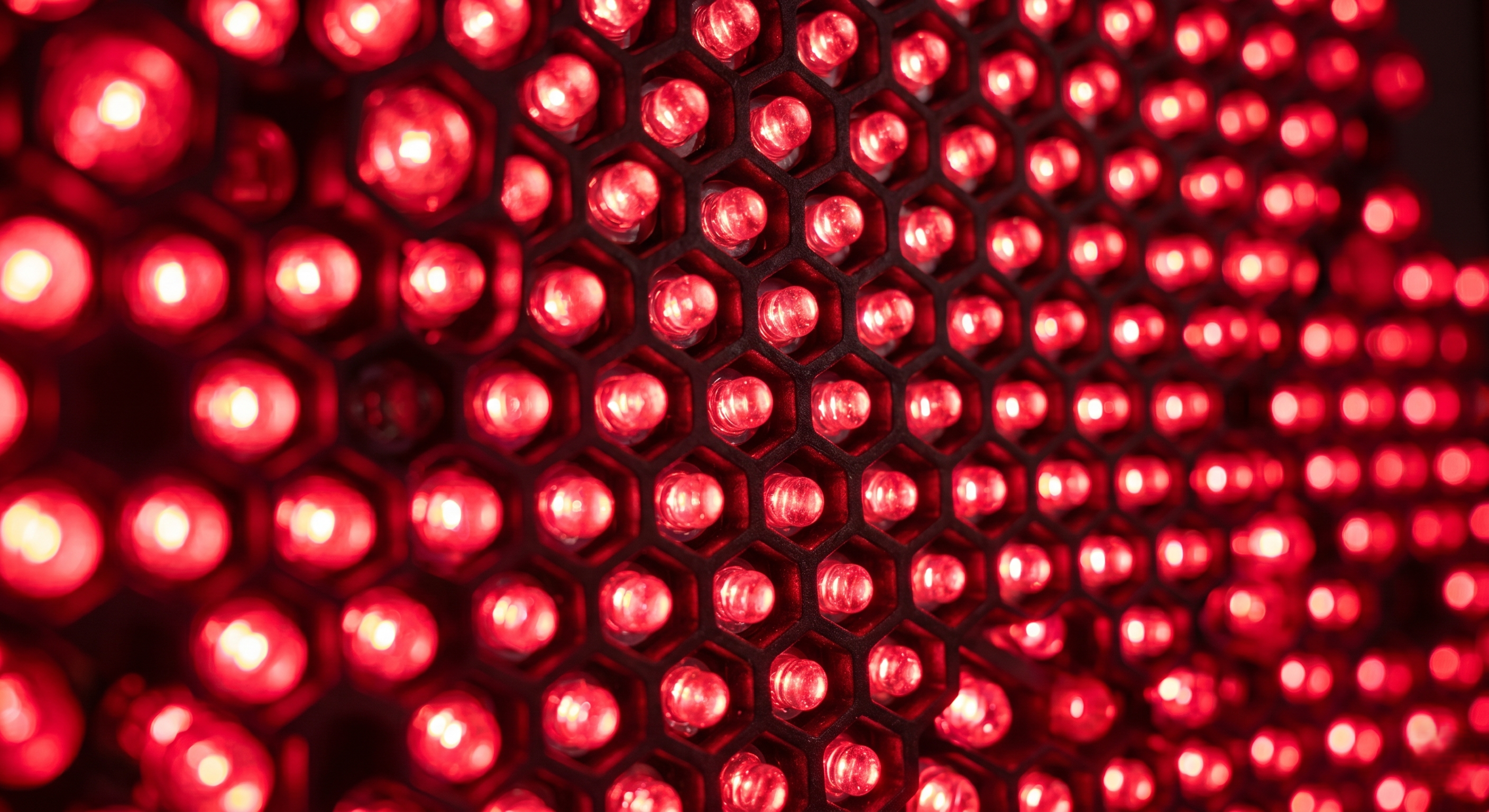
Trending Spots In-Home for Full-Body Red Light Panels
There is a quiet truth about red light therapy that owners discover only after the panel arrives: the results you experience have less to do with the device itself and more to do with where it lives. A panel tucked in a closet is a purchase. A panel placed thoughtfully in the path of your daily life becomes a practice.
That distinction matters, because with red light therapy, consistency is everything. As one member of the r/redlighttherapy community put it plainly:
This guide walks through the placements experienced users have settled on — where they work, where they don't, and how to choose the one that fits the way you actually live."If 2 people have the same panel but one person uses it more consistently than the other, they are going to experience better results. Consistency is key."
Why a Full-Body Panel
Many users arrive at a full panel the long way — first a mask, then a tabletop device, and finally the realization that partial coverage means partial commitment. One user described the progression well:The full panel's advantage is elegant in its simplicity: complete coverage in a single, brief session. Less repositioning, less friction, and a routine short enough to keep."I had a mask, then a small tabletop panel... and then I decided to just get a full body setup... Now I do my whole body after a shower — 10 mins front, 10 mins back — and I'm done."
"If time is important and short, and can only do one session, get a full panel,"advises one practitioner — the small panel only makes sense if you have time for multiple sessions a day."
Five Placements That Work
1. Against a Wall or Bedroom Corner

The simplest arrangement, and often the best first one. A full-height panel stands upright against a wall; you stand before it. It is compact, unobtrusive, and easy to relocate or store. A bedroom corner keeps it within sight — a gentle daily reminder rather than an appliance you must remember.
2. Mounted on the Wall

For those ready to give their panel a permanent address, wall mounting turns it into a fixture of the room rather than a piece of equipment in it. Nothing to set up, nothing to put away — the session begins the moment you step in front of it. Mount deliberately, on structure meant to bear the weight, and the panel becomes part of the room's architecture.
3. On a Wheeled Stand

Portability, refined. A small rolling stand lets the panel follow your day — bedroom in the morning, living area in the evening, tucked away when guests arrive.
"I have my panels stacked on a really small stand with wheels, against a wall in my bedroom, or I can wheel it to my bed," one owner shares.
A versatile stand included with the panel is worth valuing when comparing options — it simplifies positioning for different areas of the body.
4. Over the End of the Bed

Perhaps the most luxurious arrangement: a horizontal stand positioned over the foot of the bed, so sessions happen lying down. It is more comfortable, more relaxing, and — for longer sessions — far more sustainable.
"We have our horizontal stand over the end of our king bed. It stays there and doesn't bother us while sleeping," reports one couple. Allows full coverage without manual repositioning — 10 to 12 minutes per side, at rest.
5. Stacked Panels, Facing Each Other

The most efficient configuration of all: two full panels facing one another, roughly two feet apart, with you standing between them. Front and back are treated simultaneously, cutting session time in half.
A thoughtful detail from the r/community: set each side to a different mode."I personally would put 2 stacked facing each other about 24 inches apart and stand in the middle for 10 mins a day" one user recommends.
"I set the top panel on redlight only and the larger bottom panel on redlight + NIR. I prefer not to use NIR on my face"
Explains one owner — a small customization that tailors the session to your preferences.
Standing or Lying Down: Choose the Ritual You'll Keep
The honest trade-off is this: standing setups conserve space; lying-down setups invite consistency. If your panel lives where you wind down — at the end of the bed, beside the reading chair — the session asks nothing of you but presence. If space is limited, a standing placement near a daily anchor (the post-shower routine is a community favorite) works beautifully.
And if you travel often, the community notes that foldable pod-style options exist for the road — though for whole-body convenience at home, the panel remains the standard.
Whichever you choose, choose the one you will actually use. Coverage matters; consistency matters more.
The Intentional Choice
Red light therapy rewards the same qualities that reward a golf swing: presence, repetition, and patience. Place your panel where your life already happens, and ten minutes a day stops being a task and becomes a ritual — recovery woven into the rhythm of the home.
That is the philosophy we build around: living intentionally, playing exceptionally.
Shop the collection at Conscious Golfer.
_______
Continue the Conversation
The red light therapy community is generous with its experience. Two places worth your time:
- [r/redlighttherapy](https://www.reddit.com/r/redlighttherapy/)
- [r/Biohackers](https://www.reddit.com/r/Biohackers/)
*This article reflects the experiences shared by red light therapy users and is provided for informational purposes; it is not medical advice.*