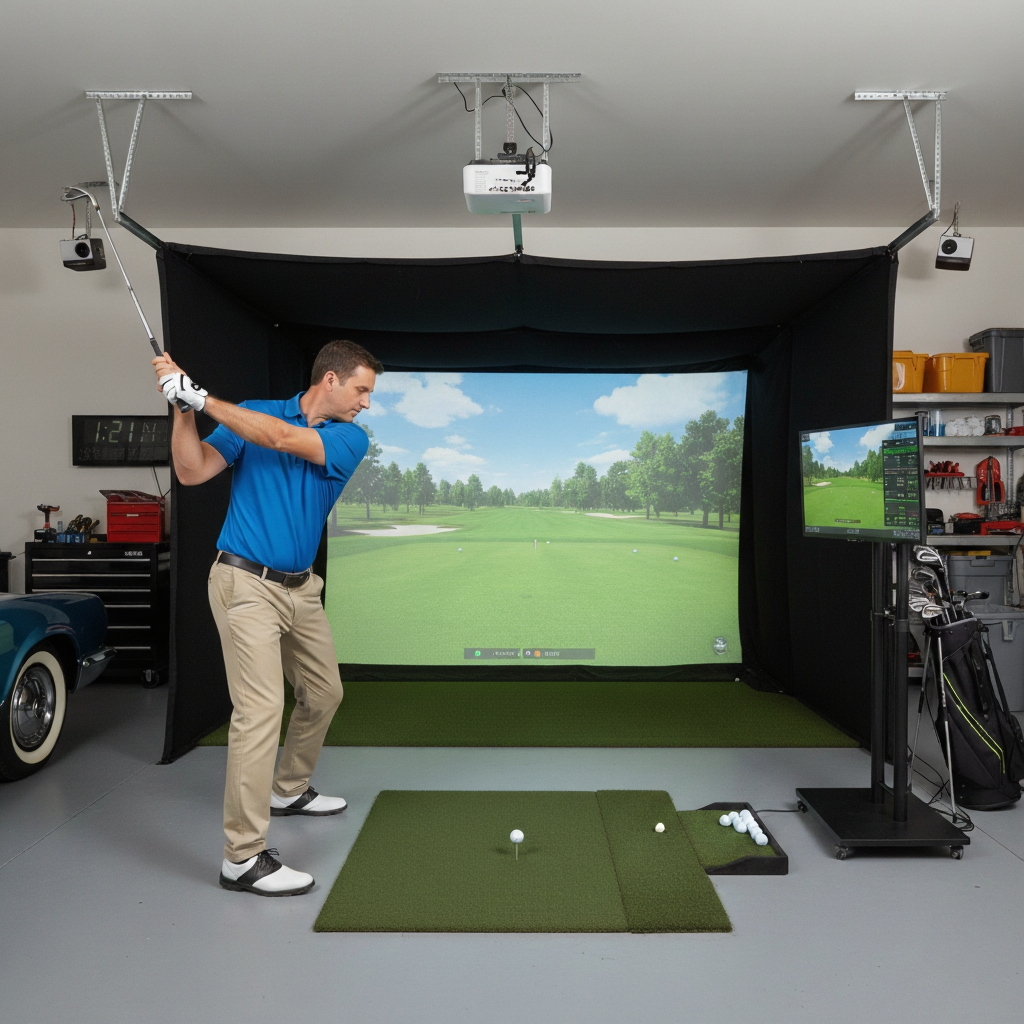


2026 PGA Show Wrap Up: The Data Gap Is Closed
The “Data Gap” is officially closed.
We’ve moved past the era where you needed a second mortgage to see your club path. From $200 pocket-sized wizards to AI coaches that actually talk back, the tech on the floor this year was less about flashy gadgets and more about functional feedback—tools that help you practice with purpose.
Below is a breakdown of the 2026 heavy hitters plus a decision framework so you can choose what earns a spot in your bag (or your garage).
The “Big Three” Highlights of 2026
1) The Budget Disruptor: Shot Scope LM1 ($199)
Shot Scope basically dropped a nuclear bomb on the entry-level market. For under $200, the LM1 delivers ball speed, club speed, smash factor, and carry distance—and the headline feature is zero subscription fees.
Who it’s for:
The Range Rat who wants to stop guessing whether that 7-iron flew 155 or 145.
What to watch:
At this price point, your expectations should match the mission: quick feedback for better practice, not tour-grade granularity on every club metric.
2) The Mid-Tier King: Square Golf OMNI ($1,600)
This was one of the buzziest booths this year. The Omni uses a 4-camera photometric system and includes a built-in screen—a big deal for golfers who want a cleaner workflow without living on their phone.
It tracks high-level club data—like face angle and impact location—that used to be reserved for much pricier ecosystems.
Who it’s for:
The serious amateur building a garage sim who wants Pro data without the Pro price tag.
What to watch:
Camera systems often shine indoors. If your plan is mostly garage sim, this category deserves a hard look.
3) The AI Coach: Sportsbox “SAMMY”
SAMMY isn’t a launch monitor—it’s a brain. Inside the Sportsbox 3D ecosystem, it’s an AI assistant you can talk to:
“Why am I thinning my irons?”
…and it analyzes your 3D biomechanics and explains what your body is doing (like pelvis sway, early extension, and sequencing issues).
Who it’s for:
The technical golfer who is tired of generic YouTube tips that don’t match their swing.
What to watch:
AI coaching is powerful—but only if you’ll consistently use it. The best system is the one you’ll actually stick with.
The Premium “Practice Machine” Worth Mentioning: Full Swing KIT
While the PGA Show spotlight often goes to brand-new launches, one premium unit continues to earn serious attention for a different reason: it’s built for consistent practice
The Full Swing KIT stands out as an all inclusive option because it delivers:
- A fast practice loop (built-in screen workflow)
- HD swing video tied to your data (huge for self-review and coaching)
-The accompanying launch monitor is best in breed for shot detection and is mobile. Tracking is accomplished at the simulator and on the greens. Keeping the progress real.
- Overall a premium experience that tracks with efficiency, while enjoying corner stone courses.
Who it’s for:
The golfer who wants high-confidence feedback and values a frictionless routine—especially if your practice is range-driven and you’re serious about dialing dispersion and strike.
What to watch:
If your primary use is indoor simulation in a tight space, pay attention to room depth requirements. Radar-style setups often need more depth than camera-only systems.
The 2026 Comparison Framework (How to Choose Like a Pro)
Choosing a unit is no longer about “the best one.”
It’s about what fits your space, your training style, and your subscription fatigue tolerance.
The 2026 Comparison Framework
Choosing a unit is no longer about "the best" one—it's about which one fits your physical space and your "subscription fatigue" tolerance.
A quick decision tree
Ask yourself:
1) Where will you use it most? (range vs garage sim vs both)
2) How much room do you actually have? (depth + ceiling height)
3) What metrics will you act on weekly? (carry + dispersion vs face/path vs impact location)
4) Do you want built-in screen convenience or phone/PC workflow?
5) What’s your tolerance for subscriptions? (none, some, or “I’m fine if it’s worth it”)
🛠 The Hidden Costs Check (Read This Before You Buy)
1) Subscription models are diverging
The trend is shifting. Some brands are doubling down on $0 subscriptions, while others still gate advanced features (AI coaching, cloud storage, premium practice modes) behind paid tiers.
Rule of thumb:
If you are not a fan of subscriptions, prioritize devices that stay valuable without ongoing fees.
2) Course libraries are part of the real cost
If simulator play matters to you, your “true price” includes software.
- GSPro remains the gold standard for many golfers (large course catalog + strong community).
- FSX Play updates shown this year suggest the graphics and experience gap is tightening.
Rule of thumb:
If you’re building a garage sim, budget for software like you budget for the kit and the projector.
Bottom Line: The Data Gap Is Closed—Now It’s About Fit
In 2026, golfers at every budget can get meaningful feedback. The win isn’t owning the fanciest device—it’s choosing a system that matches your reality and keeps you practicing.

Written by CG STAFF